May 21, 2026
Maximizing a compact culinary area requires a strategic blend of aesthetic choices and functional engineering. Even the smallest footprint can be transformed into a high-efficiency workspace that feels airy and welcoming through thoughtful design intervention. By prioritizing smart storage and visual continuity, you can ensure your kitchen remodeling project yields a space that is as beautiful as it is practical.
Prioritizing Vertical Storage Solutions
When floor space is at a premium, the most effective way to increase utility is to look toward the ceiling. Traditional cabinetry often leaves a gap of several inches at the top, which serves as a magnet for dust and represents wasted potential. By installing floor-to-ceiling cabinets, you gain valuable real estate for seasonal items, large stockpots, or specialized appliances that don’t need to be used daily. This vertical approach draws the eye upward, creating an illusion of height that makes the entire room feel more expansive than its literal square footage suggests.
Furthermore, integrating open shelving at higher levels can prevent the "closed-in" feeling that sometimes accompanies wall-to-wall cabinetry. A few well-placed floating shelves allow you to display frequently used glassware or cookbooks, adding a layer of personality without the bulk of heavy doors. This balance between concealed and exposed storage is a hallmark of successful kitchen remodeling in tight quarters. By utilizing every vertical inch, you effectively double your storage capacity without sacrificing a single square inch of precious floor space.
Optimizing Countertop Real Estate
In a small kitchen, the countertop is the most valuable asset, and keeping it clear of clutter is essential for both functionality and mental clarity. One innovative solution is the installation of an integrated cutting board that slides out from under the counter, providing extra prep space only when needed. Additionally, choosing a deep, single-basin sink rather than a double-basin variety can free up several inches of counter width while still allowing you to soak large pans. These small adjustments in the layout phase can significantly improve the "flow" of the workspace during meal preparation.
Many homeowners find that modern appliance technology offers a major boost to these efficiency efforts. Compact dishwashers, slimline refrigerators, and convection microwave ovens allow for full functionality without the massive footprint of standard industrial-sized units. According to the National Association of Home Builders, about 79% of U.S. homeowners take on at least one home improvement project annually. For those working within smaller floor plans, focusing on these "right-sized" appliances is often the most impactful change they can make. A successful kitchen remodeling plan treats every inch of the countertop as a high-stakes resource that must be defended against unnecessary clutter.
Leveraging Light and Color Palettes
The psychological impact of color cannot be overstated when it comes to the perception of space. Lighter shades, such as soft whites, pale grays, or warm creams, reflect light throughout the room, making corners appear less shadowed and walls feel more distant. Using a monochromatic color scheme—where the cabinets, walls, and countertops all share a similar hue—minimizes visual breaks that can make a room feel choppy or disjointed. This seamless transition between surfaces tricks the brain into seeing the room as a singular, cohesive whole rather than a series of small, cramped segments.
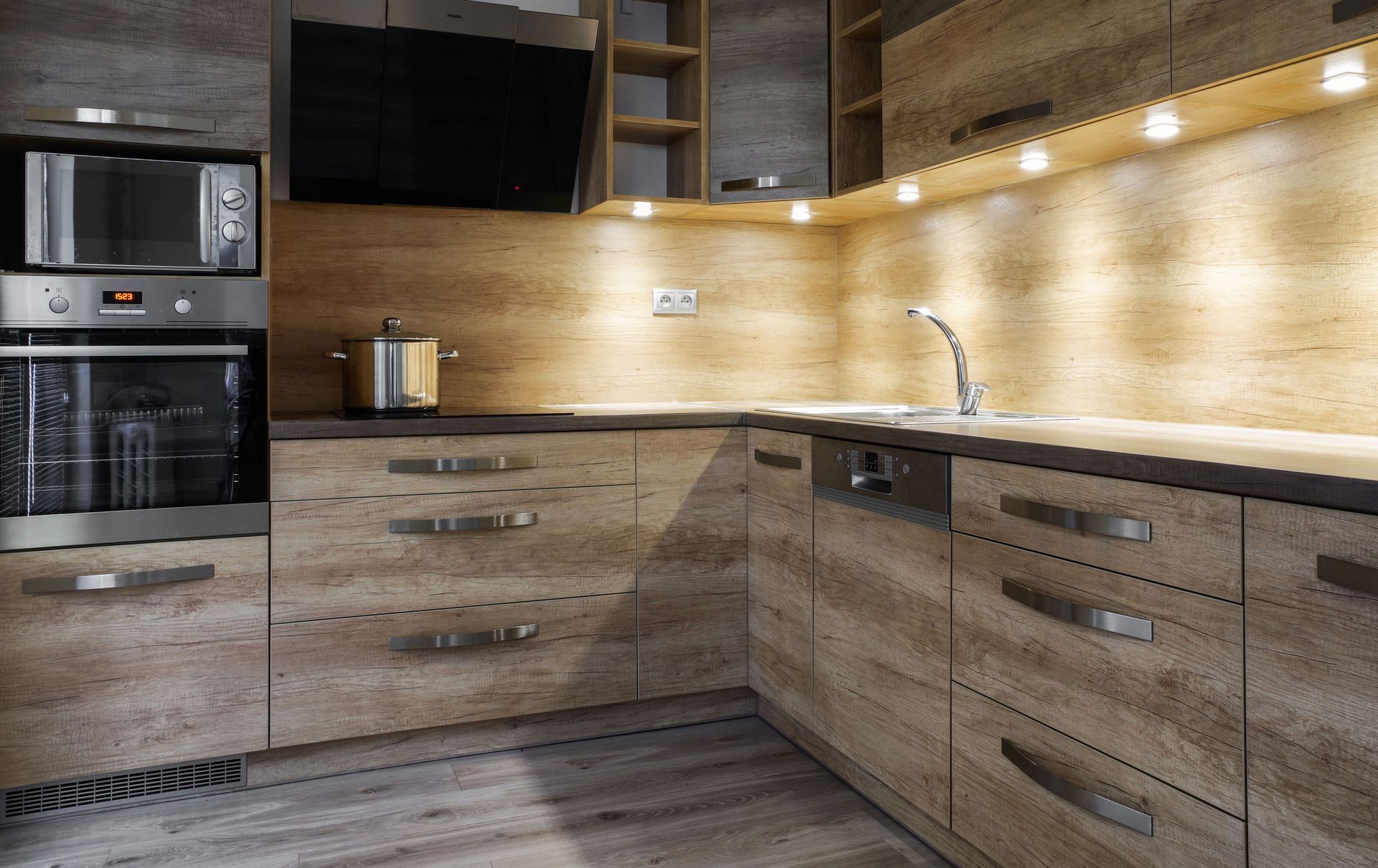
Lighting plays a critical role in supporting these color choices, especially in kitchens that lack large windows. Under-cabinet LED strips are a game-changer for small-space kitchen remodeling, as they eliminate shadows on the workspace and add a layer of depth to the design. Pendant lights with glass shades or recessed "can" lighting can provide ample illumination without physical or visual bulk. By layering task, ambient, and accent lighting, you can highlight the architectural features of the room and ensure that even the tiniest kitchen feels bright, clean, and intentional.
Integrating Multi-Functional Furniture
In many compact homes, the kitchen must serve as a dining room, home office, and prep station all at once. Designing for versatility allows you to adapt the space to your needs throughout the day without requiring extra furniture. A rolling kitchen island is a classic small-space solution; it provides a prep surface and storage drawers when you’re cooking but can be tucked away or moved to the side when you need more floor space for guests. Some islands even feature drop-leaf extensions that transform a prep table into a breakfast bar in a matter of seconds.
Beyond the island, consider the use of "pocket" or "barn" doors for pantries and entrances to save the space that a swinging door would otherwise occupy. Built-in banquette seating with hidden storage underneath is another excellent way to incorporate a dining area into a corner that might otherwise go unused. These multi-purpose elements are the backbone of smart kitchen remodeling, as they ensure that the room works harder for you. When every piece of furniture serves at least two functions, the kitchen remains highly organized even during the busiest parts of the day.
Selecting Reflective and Transparent Materials
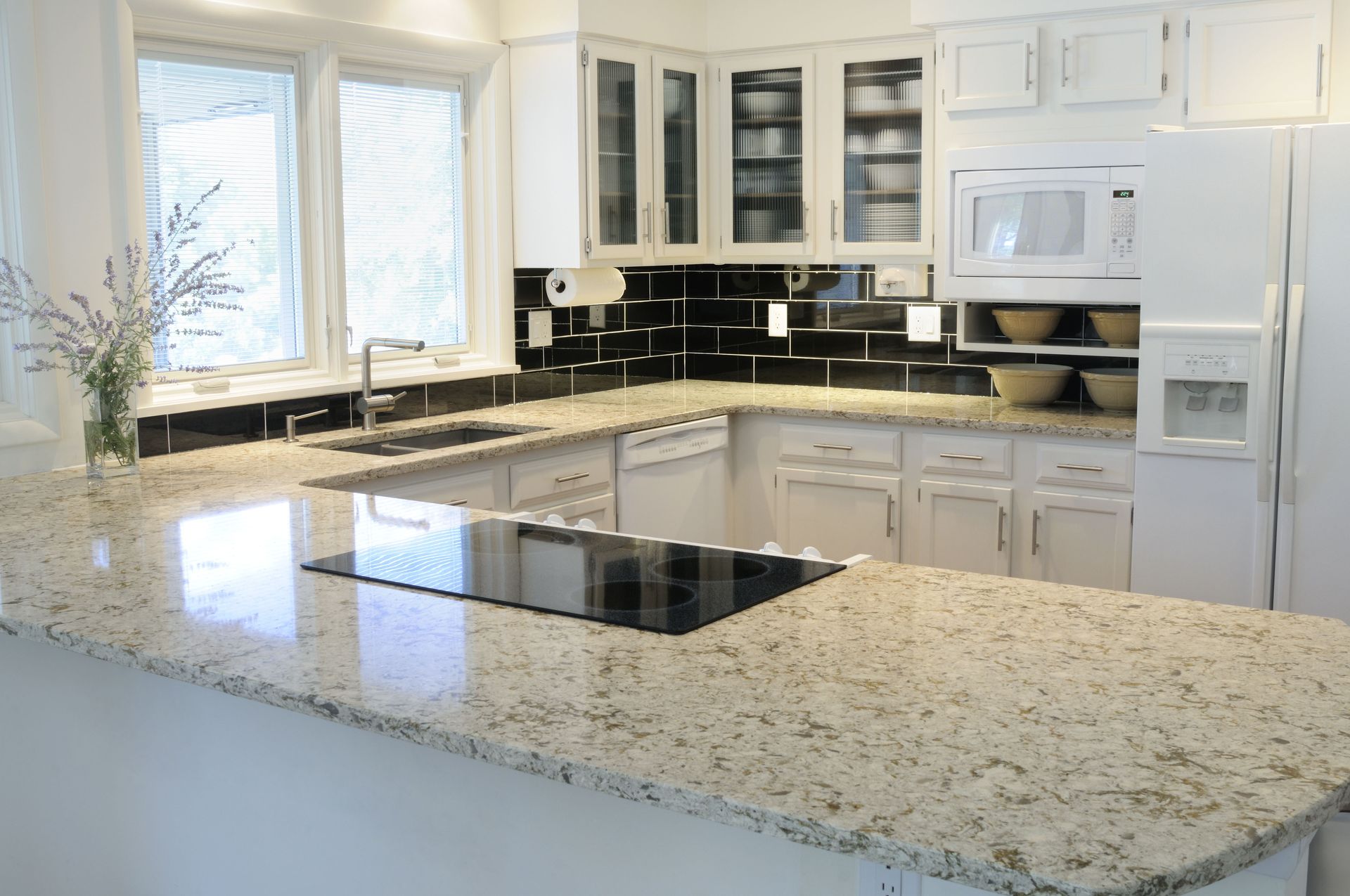
Introducing materials that play with light can significantly alter the "weight" of a small room. Glass-front cabinet doors are an excellent choice for smaller layouts because they create a sense of depth by allowing the eye to see through to the back of the cabinet. Similarly, a mirrored or highly polished tile backsplash can act as a window of sorts, reflecting the rest of the room and making the walls seem to push outward. These reflective surfaces work in tandem with your lighting plan to brighten the space and add a touch of modern sophistication.
Transparent materials, such as acrylic "ghost" stools for a breakfast bar, provide seating without adding visual clutter. Because you can see through them, they don't block the sightlines of the room, which helps maintain that critical feeling of openness. During a kitchen remodeling project, choosing a polished stone or high-gloss finish for the countertops can also contribute to this effect. The goal is to minimize the number of "solid" blocks in the room that might make the environment feel heavy or overstuffed.
Organizing Cabinet Interiors Meticulously
True efficiency in a small kitchen is often hidden behind the cabinet doors, where every spice jar and baking sheet must have a designated home. Utilizing pull-out organizers, "lazy Susans" in corner cabinets, and tiered shelving ensures that you never lose items in the dark recesses of deep cupboards. When you can see everything you own at a glance, you avoid the frustration of digging through stacks of pans, which makes the cooking experience much more enjoyable.
Magnetic knife strips and wall-mounted pot racks are additional ways to keep the interiors of your cabinets from becoming overwhelmed. By moving these bulky items to the walls, you free up drawers for utensils and linens that are harder to display. This "decanting" of items from the cabinets to the walls can also serve as a design element, giving the kitchen a professional, chef-inspired look.
Redesigning a compact kitchen is a rewarding challenge that forces you to prioritize what truly matters in your culinary life. By implementing these clever storage, lighting, and layout strategies, you can transform a cramped area into a high-performance hub of the home. Ultimately, a successful remodel proves that the quality of your space is determined by the intelligence of its design, not just the size of its footprint. If you are looking for reliable remodelers, contact Pro Property Services today to learn more and get started!