November 3, 2026
Navigating the various rules for property boundaries requires a clear understanding of legal standards and community norms. Homeowners often seek tall barriers to establish seclusion, enhance security, or elevate the visual appeal of their yards. Navigating these requirements involves researching national standards, state statutes, municipal codes, and neighborhood guidelines. Selecting the right setup involves balancing personal preferences against regulatory constraints to prevent costly mistakes. Working with a local fence company can simplify this journey by providing professional insights into regional mandates and structural options.
Evaluating the legal scope before starting any installation prevents legal disputes and ensures long-term peace of mind. Regulations often vary depending on the specific location of the property, the presence of easements, and neighborhood agreements. Property owners must ensure their plans align with structural and safety standards set by municipal authorities. Professional installers understand these intricate requirements and can help design a boundary that meets both functional needs and municipal standards. Partnering with a local fence company ensures that every aspect of the build adheres strictly to regional regulations.
Navigating National Regulations and Guidelines
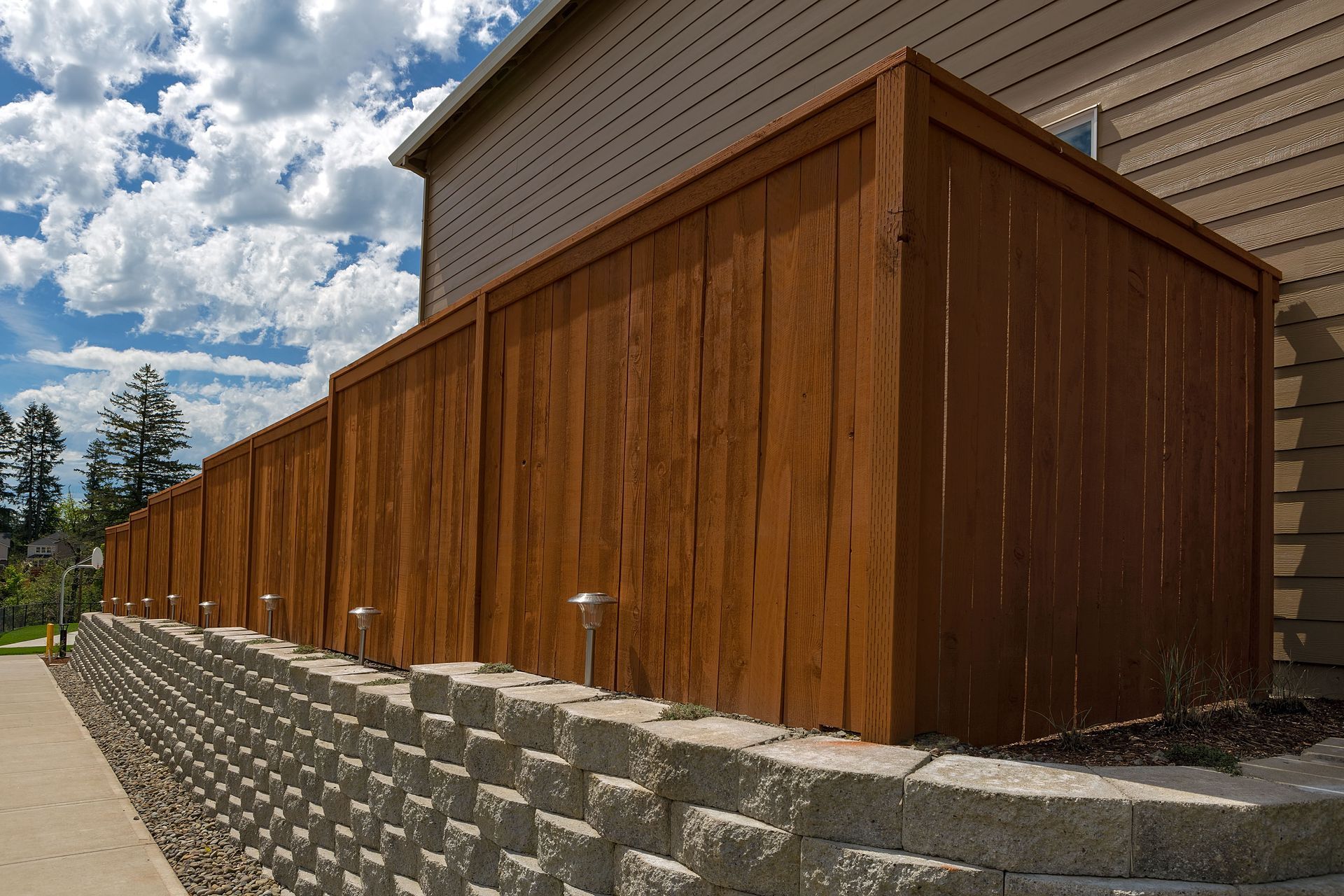
National frameworks establish general safety baseline guidelines for residential properties across the country. While there is no single federal statute dictating residential boundaries, general building standards offer foundational advice on structural stability and sightline safety. According to This Old House, the two most common heights for privacy fences are six feet and eight feet. These measurements frequently serve as benchmarks within national guidelines, addressing typical privacy and safety concerns. They offer a basis for homeowners in selecting appropriate fence heights that align with broader regulations. Compliance with these recommended standards ensures both functional and aesthetic success in fence installations.
Consulting with a local fence company allows property owners to adapt general national guidance to fit specific regional requirements. Professional installers understand how overarching standards translate into real-world applications within distinct neighborhoods. Taller barriers require stronger support structures to withstand environmental factors like wind loads and soil conditions. Aligning national benchmarks with specific site conditions guarantees long-term durability and safety. Expert guidance ensures that the selected style fulfills its intended purpose while remaining compliant with broader structural codes, protecting your investment for years to come.
Assessing State and Regional Legislation
State legislation frequently introduces additional layers of compliance regarding residential boundaries. Specific laws may address environmental protections, shared property boundaries, and drainage considerations that impact installation choices. Certain states mandate clear setbacks from public rights-of-way, water bodies, or protected conservation zones. Failing to adhere to state-specific mandates can lead to significant fines or forced removal of non-compliant structures. Consulting with a local fence company helps property owners stay informed about state legislation that directly impacts their project plans.
Navigating shared boundary responsibilities is another critical aspect governed by state statutes. Many state frameworks outline specific rules for shared border structures, including maintenance obligations and cost-sharing expectations among neighbors. Engaging with a local fence company ensures that the chosen designs meet both state requirements and neighborly agreements. Expert installers can provide accurate boundary assessments and material recommendations to avoid future legal disputes. This proactive approach ensures a smooth installation process while keeping the project fully aligned with state laws and preventing unnecessary border disputes between adjacent properties.
Complying With Local Zoning Restrictions
Local zoning ordinances play the most direct role in determining permissible heights for residential borders. Cities and counties establish specific height limits based on property location, such as front yards versus backyards. Typically, front yard structures face stricter height limits to preserve driver visibility and maintain open streetscapes. Backyards generally allow taller structures to accommodate seclusion, though specific maximum limits still apply. Working alongside a local fence company ensures full compliance with unique municipal codes and detailed zoning maps.
Obtaining the necessary permits is a mandatory step in the local zoning process before construction begins. Zoning boards review permit applications to verify that proposed structures do not violate utility easements or public access areas. A local fence company handles the permit process efficiently, ensuring all documentation and structural plans are accurately submitted. This professional oversight minimizes project delays and prevents potential fines associated with unpermitted construction. Property owners benefit from a seamless process that respects municipal laws while achieving their desired yard layout and preserving long-term property values.
Reviewing Homeowners Association Directives
Homeowners associations often enforce strict design guidelines that go beyond basic city zoning codes. HOA covenants frequently dictate permissible materials, approved colors, maximum heights, and overall architectural styles. These rules aim to create a uniform neighborhood appearance and maintain property values across the community. Taller structures or non-standard designs usually require formal review and approval from an architectural committee. Engaging a local fence company helps property owners navigate these restrictive HOA covenants with ease.
Preparing a thorough proposal for an HOA board requires precise product specifications and professional design plans. Experienced installers can provide detailed schematics and material samples that satisfy strict committee expectations. A local fence company assists homeowners in selecting approved designs that balance personal privacy with neighborhood guidelines. This collaborative approach speeds up the approval process and reduces the risk of rejection. Following established HOA procedures ensures a stress-free project that enhances the home while respecting community standards and preserving harmonious neighborhood relationships.
Mitigating Consequences of Regulatory Breaches
Ignoring established height restrictions and permitting rules can result in severe financial and legal penalties. Municipalities can issue heavy fines, impose daily non-compliance fees, or demand the complete removal of non-compliant structures. In addition, unpermitted structures can create significant hurdles when selling a home, as buyers often demand verified permits. Working with a local fence company protects property owners from these costly consequences through expert planning and compliance verification.
Resolving boundary disputes or non-compliance notices after installation is both expensive and time-consuming. Retrofitting or lowering an existing structure often costs nearly as much as a new installation. Partnering with a
local fence company ensures that every boundary line, height measurement, and material choice is fully vetted beforehand. Professional installers prioritize legal adherence to deliver long-lasting, stress-free results. Investing in professional guidance upfront saves time, protects property values, and guarantees full compliance with all governing bodies and municipal frameworks.
Understanding the various factors that influence residential boundary decisions helps homeowners choose the optimal design for their yards. From establishing personal seclusion and enhancing home security to maintaining aesthetic harmony and managing budgets, every choice impacts the final outcome. Considering neighborly relationships also ensures that new installations enhance the community environment without causing friction. Partnering with professional installers ensures these factors are balanced effectively alongside legal restrictions and structural safety standards. Contact Pro Property Services today to schedule a consultation with our experienced team and design the perfect custom enclosure for your property.
Whether you are looking to install a new privacy barrier or upgrade an existing structure, expert guidance ensures your vision becomes a reality without unnecessary delays or legal complications. Our team understands how to balance height preferences, material selection, zoning requirements, and neighborhood covenants to deliver exceptional results tailored to your exact needs. We take care of every detail, from initial planning and permit filing to precise structural installation, ensuring full compliance and peace of mind. Reach out to Pro Property Services now to begin transforming your outdoor living space into a secure, elegant, and private retreat.