March 18, 2026
Discover essential information that fence companies wish you'd understand in order to make your fencing project a success. Whether you're installing a new fence or upgrading an existing one, knowing these key points can result in a smooth, efficient process and a satisfactory outcome. A proper understanding of your property's specifics and following the best practices can save you time, money, and future headaches.
Assessing Terrain and Topography
One of the first steps in planning your fence is to assess the terrain and topography of your property. The variations in elevation can significantly affect the type of fencing solution that will work best for you. If your property has uneven ground, you might need to consider stepped or racked fencing solutions to accommodate the changes in height. Slope stability is crucial, especially in regions prone to erosion or landslides. Professional installers can help determine the best approach to take for both security and beauty.
Considering the topographical features of your property is not only practical but also cost-effective. By understanding your land’s natural topography, you can anticipate potential challenges, such as drainage issues or structural stability. Addressing these elements with fence companies in advance prevents unexpected expenses during the installation process. Additionally, a fence that follows the curvature of your land can create a harmonious appearance with the landscape.
A properly assessed landscape plays a significant role in selecting the most suitable fence materials. Some materials and designs are better suited for hilly terrains, while others work best on flat ground. For instance, certain wood types, when treated, offer flexibility and resilience against shifting soil. When you choose the right materials, you can increase the lifespan and performance of your fence. Understanding terrain and topography is essential not just for functionality but also for enhancing the overall aesthetic and noise reduction capabilities of your fence.
Considering Legal and Boundary Matters
Before installing a fence, it is imperative to have a clear understanding of your property boundaries. Legal disputes with neighbors often arise from misunderstandings about property lines, leading to costly litigation or the need to remove and reinstall the fence. Having a professional survey conducted can accurately mark property lines and help avoid potential conflicts. With precise boundary delineations, you can proceed with confidence.
Apart from property boundaries, legal considerations, such as zoning laws, can influence your fencing project. These laws dictate specific requirements like height restrictions, distance from streets, and materials allowed, all of which vary based on your location. Ignoring these regulations can lead to fines, forced removal, or legal challenges. Therefore, it's vital to consult local government offices or fence companies that are familiar with these regulations. Compliance with laws guarantees a hassle-free installation and helps maintain neighborhood harmony.
Boundary and legal considerations are not just about avoiding conflicts, but serves its purpose effectively. For instance, if noise reduction is a goal, knowing the exact boundaries helps plan a fence that optimally shields from highways or railways. According to iBuyer, a well-placed fence reduces noise by up to 80%, enhancing the tranquility of your outdoor space. Carefully considering all legal and boundary issues confirms that your fence meets functional needs and complements the property aesthetically and legally.
Examining Climate and Weather Impact
Climate is a critical factor to consider when planning your fencing project and material selection. In regions where extreme weather conditions are common, selecting the right materials is crucial for withstanding natural elements. In cold or snow-prone areas, materials must resist expansion and contraction to prevent warping or cracking. Conversely, in sunny or windy locations, UV-resistant and corrosion-resistant materials offer longevity. Tailoring your fence design and material choice to the local climate minimizes potential weather-related damage.
Rain and humidity can also significantly affect certain materials, leading to rot, mold, and decreased structural integrity. Therefore, it might be advantageous to apply weatherproof coatings or select materials inherently resistant to water damage, like composite materials or PVC. Optical considerations, such as fading and discoloration due to prolonged sun exposure, should also be considered. Consulting with professional installers familiar with your local climate enables you to choose materials and designs that perform well in weather conditions, maintaining both appearance and performance over time.
In addition to weather resistance, climate influences maintenance needs. In areas with frequent rain, periodic cleaning and mildew prevention treatments might be necessary. Conversely, fences in sunny climates may require regular checks for signs of UV damage. By understanding how weather impacts different materials, you can implement an effective maintenance plan to sustain your fence's appearance and structural integrity. Climate consideration plays an integral role not only in material choice but also in the long-term success of your fencing project.
Prioritizing Functionality vs. Aesthetics
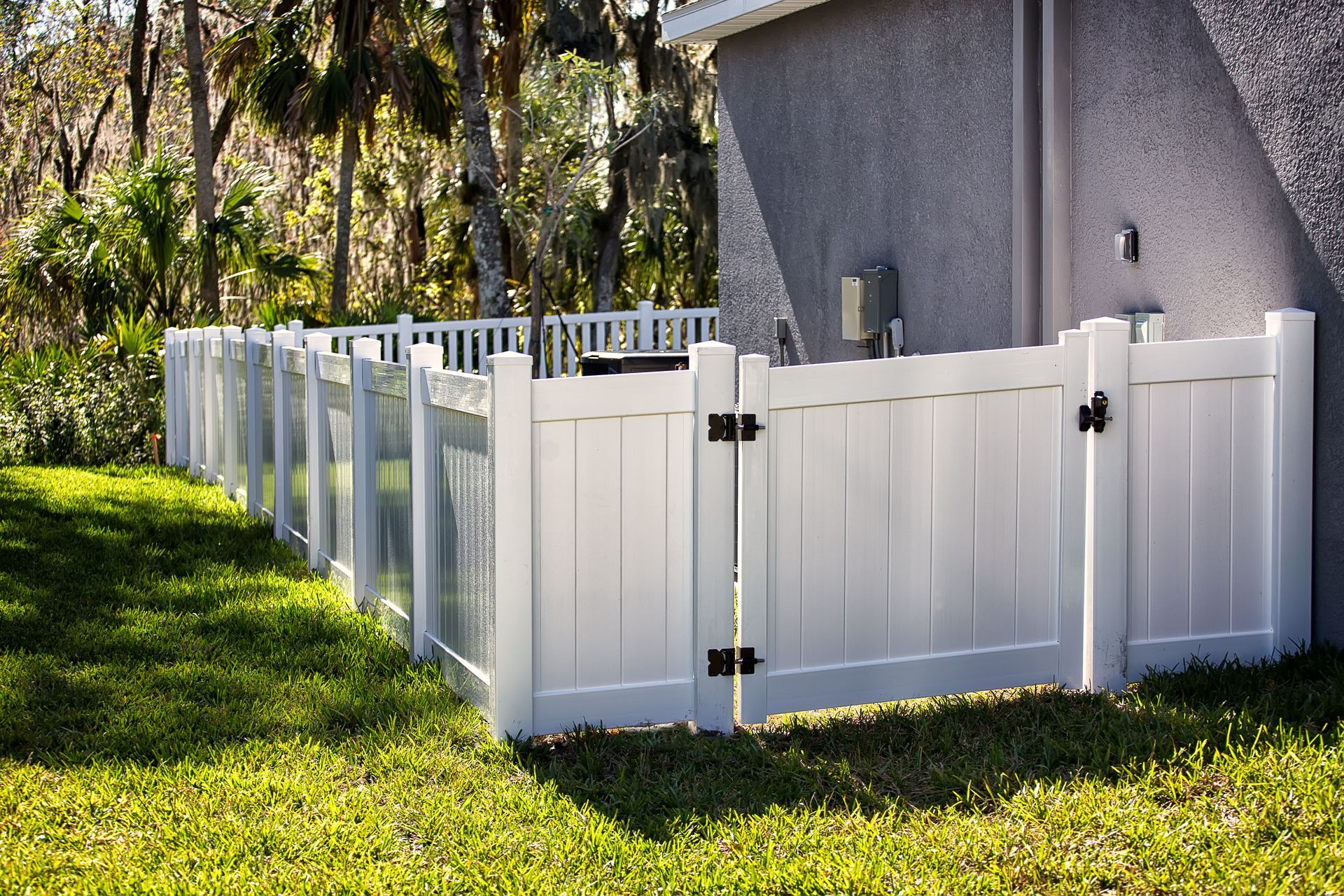
The debate between functionality and aesthetics can be challenging when selecting a fence. While the visual impact of a fence is an essential consideration, fence companies know that understanding the primary function of the fence should help guide your decision. If privacy and security are your primary concerns, opting for taller fences with solid panels might be necessary. On the other hand, decorative fencing might be preferred to enhance the overall curb appeal of your home.
Functionality considerations often extend to noise reduction and safety. While aesthetics is important, prioritizing functionality can vastly improve the quality of life within your property. Consulting with professionals helps strike a balance that doesn’t compromise on either front, achieving a fence that serves its intended role while complementing your property's design.
Aesthetically pleasing fences are not just about personal satisfaction but can also enhance property value. Selecting complementary colors, textures, and designs can improve curb appeal, potentially raising property values and attracting potential buyers. Meanwhile, unforeseen functional advantages, such as noise reduction and security enhancements, can also boost property desirability. By clearly defining what you prioritize most, you can choose a fencing solution that harmoniously integrates functional and aesthetic considerations.
Understanding Labor and Installation Expenses
Labor is a significant part of the expenses associated with fencing projects, which in our experience often accounts for 30-50% of the total cost. Understanding the local market rates can help gauge reasonable expectations for installation expenses. Professional installation can vary by region and complexity of the project, with challenging terrains or intricate designs potentially increasing costs. It is crucial to assess the quality and reliability of the services provided.
Time is an intrinsic component of labor costs. Smaller-scale or straightforward installations are usually faster, leading to lower labor charges. However, complex installations requiring customization can extend completion periods, increasing expenses. Discussing timelines with fence companies provides clarity on time and cost expectations. Planning and scheduling installations during off-peak seasons might also result in reduced labor expenses due to lower demand. Therefore, communicating logistics and timelines can prevent misalignments and optimize expense allocation.
In addition to direct labor costs, considering auxiliary expenses is vital for a comprehensive budget. Permits, insurance, and equipment rentals can add to your labor expenses, indirectly impacting the overall budget. Discussing these auxiliary finances with your contractor before commencing the project provides transparency and prevents hidden costs from surging unexpectedly. By budgeting for these expenses proactively, the chance of financial strains diminishes, contributing to smoother implementation.
By understanding factors such as terrain, legal requirements, climate, functionality, and labor costs, you can approach your project with confidence and clarity. Careful planning and attention to these details help prevent unexpected challenges, reduce costs, and result in a fence that performs well and complements your property. Considering these elements with reliable fence companies increases the likelihood of a smooth, successful, and satisfying project. Contact Pro Property Services today to plan your fencing project and get professional guidance for a secure, durable, and attractive fence.