June 12, 2026
In recent years, homeowners have moved far beyond simple cosmetic updates and are now embracing large-scale transformations that reshape how their homes function, feel, and perform. Modern home remodeling is increasingly driven by lifestyle shifts, energy efficiency goals, and long-term investment strategy rather than surface-level aesthetics alone.
This shift is also reflected in industry growth. According to Fixr, the number of remodeling businesses in the United States exceeded 726,000 in 2025, underscoring how rapidly demand for renovation services continues to expand. With more contractors, designers, and specialists in the market, homeowners pursuing home remodeling today have more flexibility, but also more decisions to navigate than ever before.
The result is a remodeling landscape where planning, strategy, and design awareness matter just as much as construction itself.
How Do I Start a Home Remodeling Project?
Starting a home remodeling project is less about demolition and more about decision-making. The most successful projects begin with a clear understanding of what the homeowner actually wants to change and why. Without that clarity, costs rise quickly and design choices become inconsistent.
The first step is defining purpose. Some homeowners pursue home remodeling to improve functionality, such as opening cramped layouts or adding storage. Others focus on aesthetics or preparing a home for resale. Each goal leads to a very different design and budgeting approach.
Budgeting comes next and often determines the direction of the entire project. Home remodeling costs can escalate quickly due to material upgrades, labor availability, and unforeseen structural issues. A well-structured budget includes not only estimated costs but also a contingency buffer that accounts for surprises once construction begins.
After budgeting, selecting professionals becomes essential. Contractors, architects, and designers each play a distinct role in home remodeling success. The quality of these choices often determines whether the final result feels cohesive or fragmented. Homeowners who take time to compare experience, reviews, and previous work typically avoid many of the common pitfalls that derail renovation timelines.
What Are the Trending Home Remodeling Innovations?
Today’s home remodeling trends are shaped by a blend of technology, sustainability, and lifestyle flexibility. One of the most influential developments is the rise of smart home integration. Systems that control lighting, temperature, security, and appliances through mobile devices or voice commands are becoming standard in many renovation projects.
This shift is not just about convenience. Smart systems also help reduce energy consumption, which is increasingly important as utility costs rise. As a result, home remodeling projects often include upgrades that improve efficiency while enhancing day-to-day usability.
Sustainable materials are another major trend. Homeowners are increasingly choosing recycled, reclaimed, or low-emission materials that reduce environmental impact without sacrificing design quality. This includes flooring made from repurposed wood, eco-friendly insulation, and paints with lower chemical emissions.
Open concept layouts remain popular, but they are evolving. Instead of removing all interior walls, many modern home remodeling designs focus on flexible spaces that can be opened or closed depending on need. Sliding panels, partial partitions, and multifunctional rooms are replacing the rigid layouts of the past.
Outdoor living integration is also expanding rapidly. Patios, decks, and outdoor kitchens are being designed as extensions of indoor living spaces. This trend reflects a broader desire for homes that feel larger and more adaptable without necessarily increasing square footage.
What Are the Costs Involved in Home Remodeling?
Cost is one of the most important and often most unpredictable parts of home remodeling. While small updates may seem straightforward, expenses can vary widely depending on scope, materials, and labor conditions in a given region.
Material selection has a major influence on total cost. High-end finishes, custom cabinetry, and imported fixtures can significantly raise budgets, while more standard materials can keep projects more affordable. However, many homeowners underestimate how quickly incremental upgrades add up during home remodeling.
Labor is another major factor. Skilled trades such as electricians, plumbers, and carpenters are essential to most remodeling projects, and their availability often impacts pricing. In high-demand areas, scheduling delays can also indirectly increase costs by extending project timelines.
Unforeseen issues are common in nearly every home remodeling project, especially in older homes. Problems such as outdated wiring, plumbing deterioration, or hidden structural damage often appear once walls or floors are opened. This is why professionals consistently recommend setting aside a contingency fund to cover unexpected repairs.
Without proper financial planning, even well-designed home remodeling projects can become stressful or incomplete. With it, homeowners gain flexibility to adapt without compromising quality.
How Can Home Remodeling Impact Property Value?
One of the strongest motivations for home remodeling is its potential impact on property value. When done strategically, renovations can significantly increase resale appeal and overall market competitiveness.
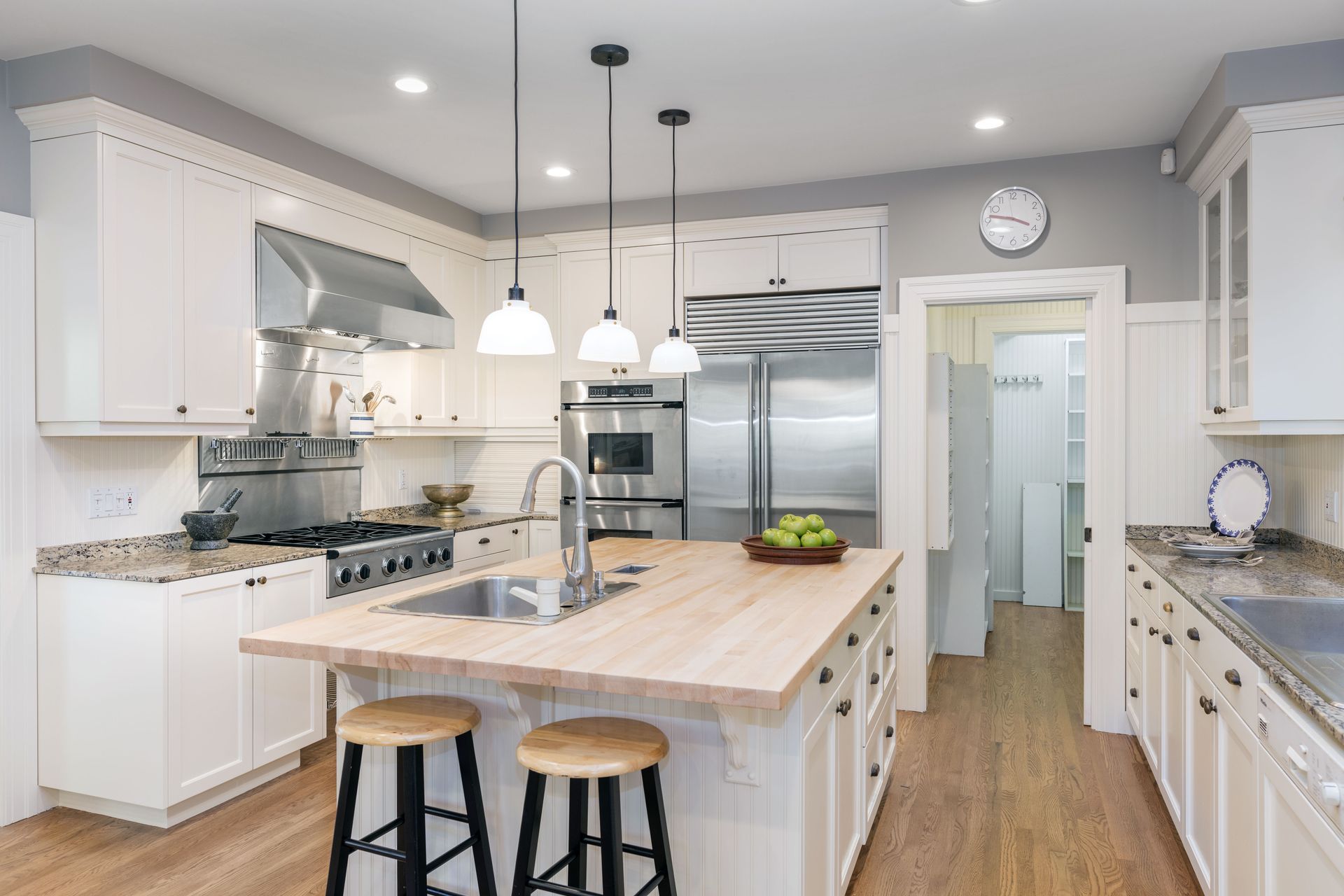
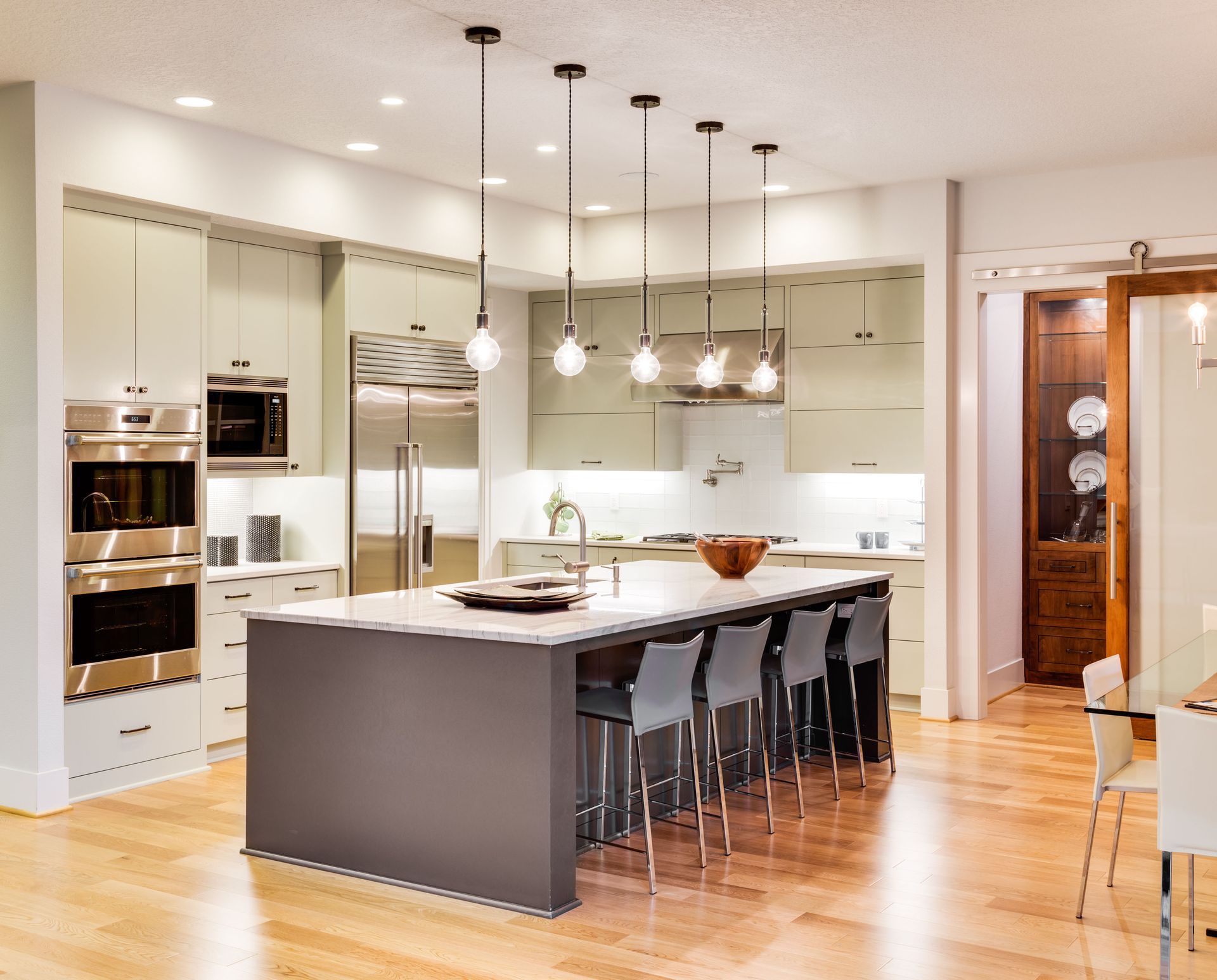
Kitchens and bathrooms typically deliver the highest return on investment. These spaces are heavily scrutinized by buyers, and updated finishes, modern appliances, and efficient layouts can make a property far more attractive. Even moderate improvements in these areas can noticeably influence buyer perception.
Functional upgrades also contribute strongly to value. Improvements such as energy-efficient windows, updated HVAC systems, and better insulation not only reduce ongoing costs but also signal that a home has been well maintained. These types of home remodeling investments tend to appeal to long-term buyers who prioritize efficiency and durability.
However, not all renovations guarantee increased value. Overly personalized design choices or highly specialized layouts may limit appeal to future buyers. The most effective home remodeling strategies strike a balance between personal comfort and broad market desirability.
When planned thoughtfully, remodeling becomes less of an expense and more of a long-term investment in both livability and resale potential.
What Are the Best Ways to Achieve a Sustainable Home Remodel?
Sustainability has become a defining feature of modern home remodeling. Homeowners are increasingly aware that construction decisions have long-term environmental consequences, and many are actively seeking ways to reduce their footprint.
Energy efficiency is one of the most impactful areas of focus. Installing high-performance windows, upgrading insulation, and incorporating energy-efficient appliances can dramatically reduce utility consumption over time. Smart thermostats and lighting systems also contribute to lower energy use without sacrificing comfort.
Material selection plays an equally important role. Choosing recycled, reclaimed, or responsibly sourced materials helps reduce waste while maintaining strong design outcomes. In many home remodeling projects, sustainability is now considered a core design requirement rather than an optional upgrade.
Waste reduction during construction is another important consideration. Instead of fully demolishing existing structures, many projects now reuse framing, cabinetry components, or fixtures when possible. This approach reduces landfill contributions and often lowers overall project costs.
Water efficiency is also becoming a standard part of sustainable home remodeling. Low-flow faucets, efficient irrigation systems, and modern plumbing fixtures help reduce water consumption while maintaining performance.
Modern home remodeling has evolved into a highly strategic process that blends design, technology, sustainability, and financial planning. Homeowners are no longer making isolated upgrades but instead are rethinking how entire spaces function together.
With strong planning and informed decision-making, remodeling projects can improve daily comfort, increase property value, and reduce long-term environmental impact. As trends continue to evolve and the industry grows, home remodeling will remain one of the most powerful tools homeowners have for shaping the way they live. If you're looking for a transformative home remodel, reach out to the dedicated team of professionals at Pro Property Services today!